Aquarium Help2 min read
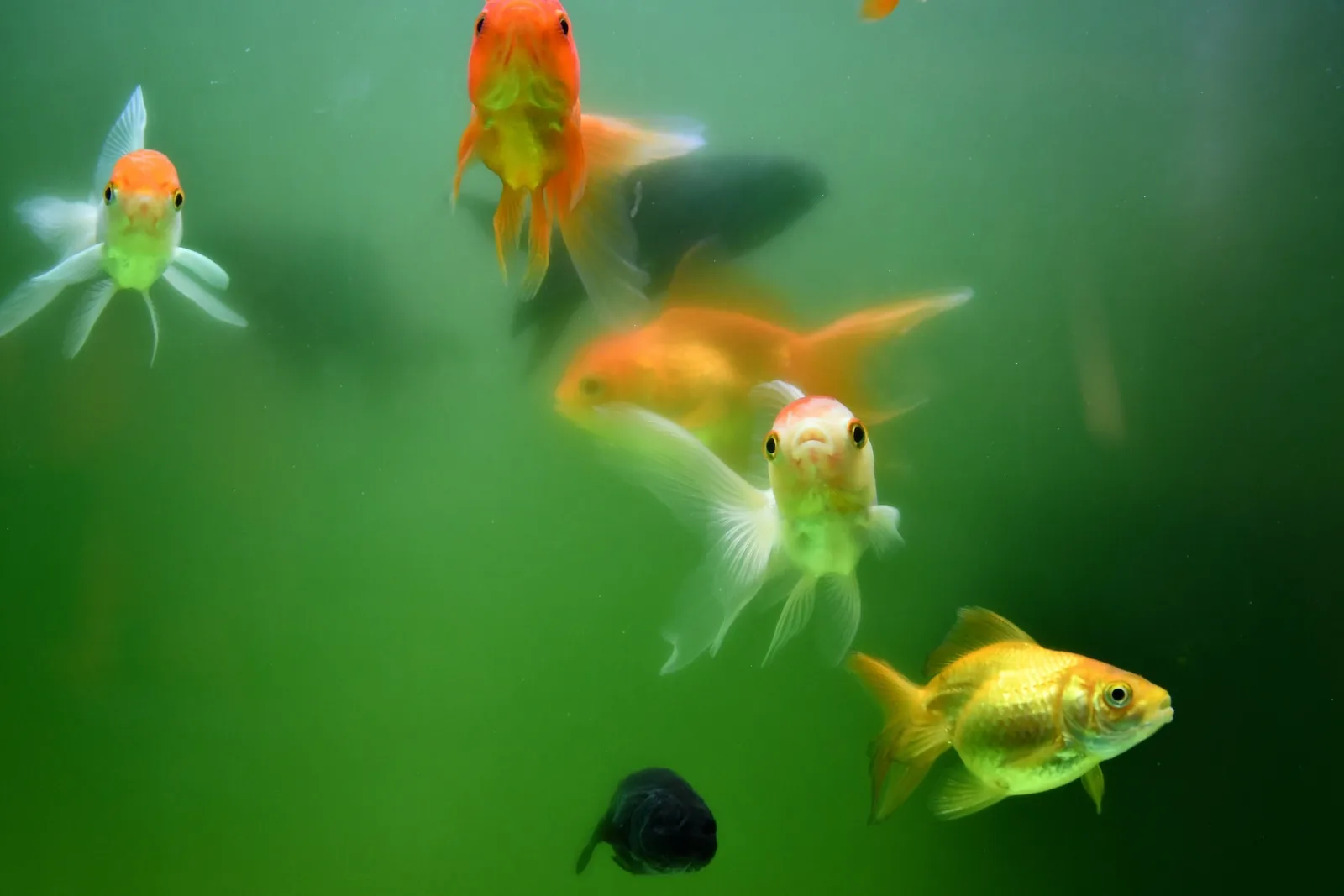
Why is my fish tank green?
If you're an aquarium enthusiast, you've probably encountered this problem before: You wake up one day to find your fish tank has turned a murky shade of…
Short answer
What to know first
Green aquarium water is usually an algae bloom supported by excess light, excess nutrients, inadequate filtration, or infrequent water changes. Check how long the lights run, whether sunlight reaches the tank, how much food enters the system, how the filter is performing, and what the water tests show. Correct the underlying imbalance gradually instead of stacking treatments without confirming the likely cause.
Your tank may not match the typical pattern. Request a 15-minute consultation to reduce trial-and-error and leave with a prioritized next step.
If you're an aquarium enthusiast, you've probably encountered this problem before: You wake up one day to find your fish tank has turned a murky shade of green. This can be alarming and frustrating, especially when you've invested time and resources into creating a healthy environment for your aquatic pets. But fear not! This is a common issue that can be addressed with a few simple steps. However, it's important to note that without inspecting the aquarium in person, it's impossible to know the exact cause for sure. That's why we recommend booking an appointment with our expert, Brian, who can give you a personalized solution based on your tank's specific needs.
But for now, let's explore some of the common reasons why your fish tank may be green and some general solutions.
Overexposure to Light
One of the main culprits behind a green aquarium is overexposure to light. Aquariums that are placed near windows or under powerful artificial lights can promote the growth of algae, turning the water green.
Solution: Regulate your aquarium's light exposure. Limit the amount of sunlight the tank receives and control the duration of artificial light exposure.
Overfeeding
Overfeeding your fish can also lead to a green aquarium. Excess food that isn't consumed can decay, causing the water quality to deteriorate and encouraging algae growth.
Solution: Feed your fish in moderation. Make sure you're giving them the appropriate amount of food, and remove any leftovers after feeding.
Inadequate Filtration
Poor or inadequate filtration can allow waste products to build up in your tank, creating a perfect environment for algae blooms.
Solution: Regularly check and maintain your filter. Make sure it's the correct size for your tank and that it's functioning properly.
Infrequent Water Changes
A lack of regular water changes can cause the build-up of nitrates, phosphates, and other nutrients that algae love.
Solution: Establish a regular schedule for changing a portion of your tank's water. This helps to dilute and remove excess nutrients.
While these are some of the most common reasons for a green aquarium, there are other factors that can contribute to this issue. It's important to remember that every aquarium is unique, and what works for one may not work for another. That's why we recommend booking an appointment with our expert Brian for a tailored approach to your aquarium's health. With his expertise, you'll have your tank back to crystal clear in no time. Schedule your appointment here.
FAQCommon follow-up questions
Frequently asked questions
- What should I check first when aquarium water turns green?
- Start with light exposure, feeding, filtration, recent water changes, and current water readings. Note any recent change in livestock, food, maintenance, or equipment. Those details help distinguish a temporary algae bloom from a broader water-quality or filtration problem.
- Why not use an algae treatment immediately?
- A treatment may address visible algae without correcting the light, nutrient, filtration, or maintenance imbalance that allowed it to grow. Verify the likely cause first, make measured changes, and ask for tank-specific help when the readings or symptoms do not fit the usual pattern.